
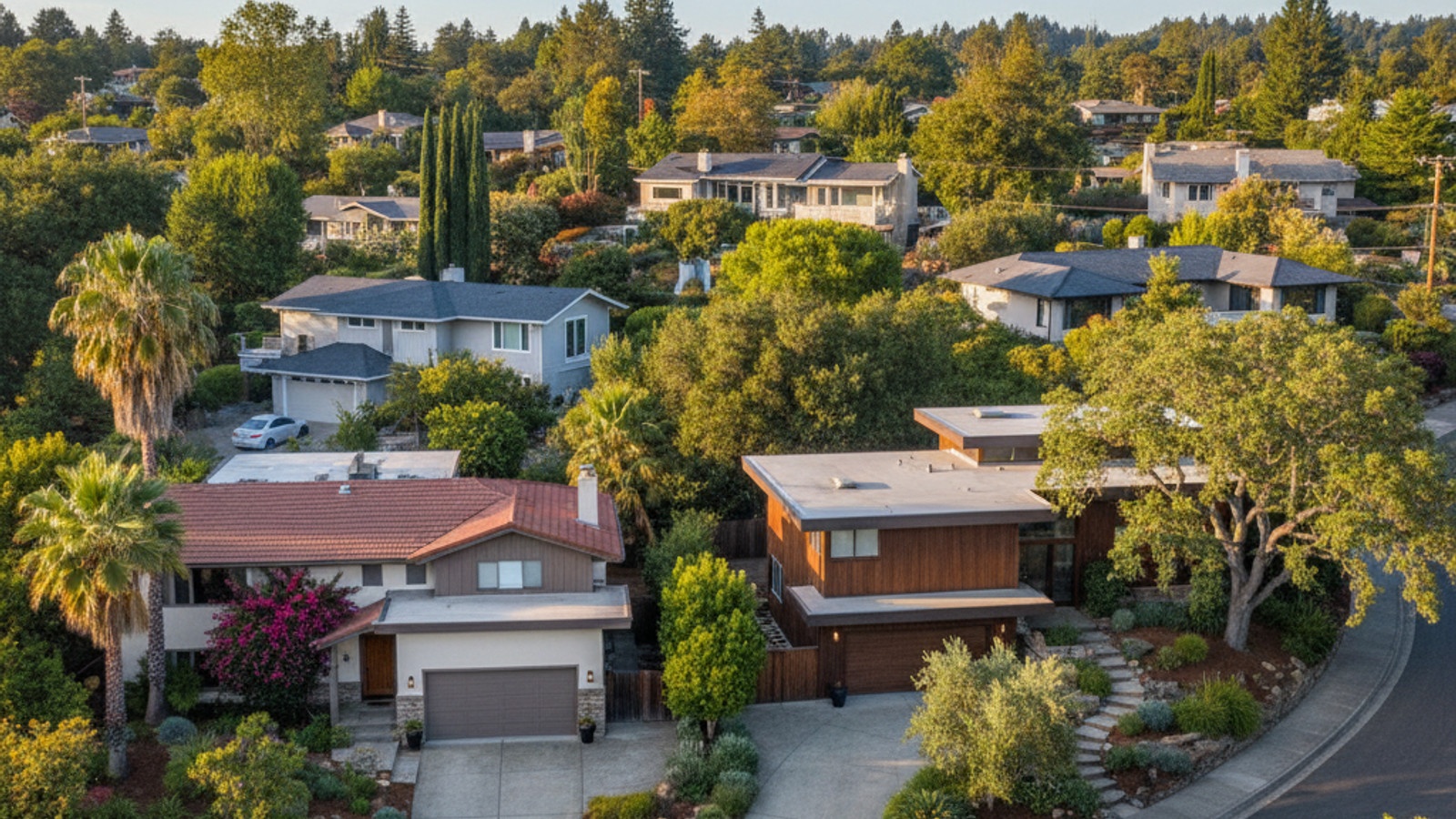
Santa Rosa stands as Sonoma County’s largest city, serving as the commercial and cultural anchor north of San Francisco. Positioned squarely in Wine Country, this vibrant region offers a unique blend of agricultural heritage and modern infrastructure. Buyers looking at the market today find a city that balances extensive amenities with direct access to the world-renowned Russian River Valley.
The local landscape has evolved significantly, merging historic charm with expanding municipal resources. Beyond the vineyards, the city functions as a primary hub for healthcare, technology, and government services. This diverse economic foundation provides stability for homeowners investing in the region.
Relocating to a new market requires a clear understanding of local economic drivers, daily living costs, and transportation networks. The 2026 landscape presents specific opportunities and challenges for homebuyers navigating inventory levels and property types. This ultimate guide for Santa Rosa, CA delivers the objective data and local insights needed to make an informed real estate decision.
Santa Rosa Real Estate Market Trends & Median Home Prices
The current housing market in Santa Rosa remains competitive, driven by steady demand and historically tight inventory levels. As of mid-2026, the median home price in the city sits between approximately $750,000 and $820,000. This pricing tier reflects a premium over national averages but often represents a relative value compared to the broader San Francisco Bay Area.
Buyers entering this market must be prepared for a brisk pace, as appropriately priced homes frequently go under contract in under 45 days. Multiple-offer scenarios are common, particularly for turnkey properties in established neighborhoods. Securing a home here requires decisive action and a clear understanding of how local pricing dynamics compare to broader Sonoma County trends.
Interest rate stabilization in 2026 has brought a new wave of prospective buyers off the sidelines. This renewed activity places additional pressure on the limited housing stock available within the city limits. Buyers who track daily market fluctuations and remain flexible on specific zip codes tend to find the most success.
From an agent’s perspective, navigating this seller’s market means arriving with fully underwritten pre-approval letters and a flexible approach to terms. Sellers hold the advantage when reviewing offers, meaning buyers who minimize complex contingencies stand a much better chance of success. Understanding these ground rules is essential before touring any properties.
Available Property Types & Inventory Trends
Santa Rosa offers a diverse architectural landscape, ranging from historic downtown properties to newer suburban developments. Buyers will find a strong concentration of classic California ranch and mid-century modern single-family homes in neighborhoods like Bennett Valley. These property styles are highly sought after for their single-story layouts and generous lot sizes.
The downtown corridor provides a different housing experience, featuring restored Victorian homes and modern infill construction. These central properties appeal to buyers prioritizing walkability and immediate access to urban amenities. However, inventory in these historic districts remains exceptionally low, driving up price-per-square-foot metrics.
For those seeking lower maintenance options, the city also features a solid inventory of townhouses and condominiums managed by homeowner associations. These attached properties provide an accessible entry point into the market, though buyers must factor monthly HOA dues into their carrying costs. Current inventory constraints across all property types continue to limit buyer negotiation power regarding seller concessions.
New construction developments on the city’s perimeter offer another avenue for homebuyers willing to look slightly further out. These modern tracts often feature energy-efficient designs and updated building materials that comply with the latest CA building codes. Purchasing new construction can occasionally offer more predictable timelines compared to competing for existing resale homes.
Santa Rosa Cost of Living Breakdown
Evaluating the objective financial realities of living in Santa Rosa requires looking beyond the purchase price of a home. The overall cost of living index for the city runs approximately 42% to 43% higher than the US national average. Housing costs are the primary driver of this premium, heavily influencing the baseline budget required to reside in Sonoma County.
While the expenses here outpace the national baseline, Santa Rosa often provides a noticeable discount when compared directly to San Francisco proper or parts of Marin County. Buyers relocating from those denser urban centers frequently find their housing dollar stretches further here. However, those moving from out of state must carefully adjust their expectations regarding regional pricing structures.
Property taxes and homeowners insurance play a substantial role in calculating monthly carrying costs in CA. Buyers must thoroughly review local tax assessments and secure insurance quotes early in the escrow process. Wildfire risk in certain zip codes can impact insurance premiums, making this a critical line item in any housing budget.
The long-term return on investment in this region often offsets the higher initial cost of entry. Property values have historically demonstrated strong resilience, supported by the area’s inherent geographic limitations and strict zoning laws. Buyers should view the cost of living as an investment in a highly regulated, high-demand coastal adjacent market.
Utilities, Groceries, & Local Expenses
Beyond the mortgage payment, daily living expenses in Santa Rosa require careful budgeting. Energy, transportation, and healthcare costs generally run about 9% to 10% higher than the national average. A standard single-family home will see monthly utility bills that fluctuate based on seasonal air conditioning use and local water rates.
Water conservation mandates frequently influence utility costs in this part of CA. Properties with drought-tolerant landscaping or updated irrigation systems often present lower monthly municipal bills. Buyers should review the past 12 months of utility statements during the disclosure period to accurately project these ongoing expenses.
Food costs are influenced by the region’s strong agricultural presence, offering unique choices for residents. Local grocery prices align with broader state averages, while the abundance of farm-to-table dining options provides diverse culinary experiences at varying price points. The year-round farmers markets offer direct access to local produce, which can help balance weekly grocery budgets.
Transportation costs also factor heavily into monthly budgets, driven by local fuel averages and vehicle registration fees. While public transit is expanding, the majority of residents still rely on personal vehicles for daily errands and commuting. Budgeting for CA fuel prices is a necessary step for any household relocating to the area.
Top Employers & Major Industries in Santa Rosa
The economic backbone of Santa Rosa is supported by a robust mix of healthcare, technology, and agricultural sectors. This diverse industrial base provides economic stability and drives consistent housing demand across the city. Major corporate and municipal employers serve as anchor institutions, drawing a skilled workforce to the region.
As of 2026, top employers include Keysight Technologies, Medtronic, Sutter Health, Kaiser Permanente, and the County of Sonoma. The presence of these large-scale organizations creates localized employment hubs that heavily influence commute patterns. Buyers frequently target properties that offer convenient access to these primary employment centers.
The wine industry and broader agricultural sector also contribute significantly to the local job market. Beyond the vineyards themselves, this industry supports a vast network of logistics, marketing, and hospitality businesses throughout the city. This interconnected economic web ensures a steady flow of professional opportunities outside of the traditional corporate sphere.
The proximity of these major employers to residential corridors directly impacts housing demand in specific zip codes. Neighborhoods located within a short drive of the primary medical centers or the technology campuses consistently see lower days on market. Investing in a home near these economic drivers often provides long-term value retention.
Commuting & Transportation Infrastructure
Santa Rosa serves as a central transportation hub for Sonoma County, offering multiple transit options for regional commuters. The primary driving route is the Highway 101 corridor, which bisects the city and connects residents directly to San Francisco to the south. Navigating this major arterial freeway is a daily reality for many workers, making proximity to on-ramps a key consideration for homebuyers.
Traffic patterns along Highway 101 can fluctuate significantly, particularly during the autumn agricultural harvest known locally as crush season. Buyers should map their anticipated daily routes during peak hours to accurately gauge commute times before submitting an offer. Alternative driving routes exist, but the highway remains the most direct path for north-to-south travel.
Beyond personal vehicles, the region benefits from a growing public transit network that links local neighborhoods to the broader Bay Area. The Charles M. Schulz-Sonoma County Airport acts as a crucial regional asset, providing direct commercial flights and reducing the need to drive to larger international hubs. Properties located near these established transit centers historically maintain strong buyer interest.
Purchasing a home with immediate access to reliable transportation infrastructure is a sound strategy in this market. Proximity to a major transit hub can significantly bolster long-term property values and increase resale appeal. The city has also heavily invested in electric vehicle charging infrastructure, supporting modern commuting preferences.
SMART Train Commute Times & Public Transit
The Sonoma-Marin Area Rail Transit system, commonly known as the SMART train, provides a vital rail link through the North Bay. Santa Rosa hosts multiple station locations, allowing residents to bypass highway traffic when commuting south toward Marin County. Recent service updates have made this passenger rail network an even more viable option for daily travel.
Following the April 2026 MASCOTS service plan updates, SMART train frequency increased by 19%, now offering 48 weekday trips. This enhanced schedule improves connections to the Larkspur Ferry, streamlining the journey for those heading all the way into San Francisco. A typical rail commute from Santa Rosa to the Larkspur transit terminal takes approximately one hour, offering a predictable alternative to driving.
The stations themselves are designed to support multimodal commuting, featuring secure bicycle storage and dedicated parking lots. Many buyers specifically search for homes within a two-mile radius of a SMART station to maximize their transit options. This localized demand frequently results in highly competitive bidding for properties adjacent to the rail corridor.
Local Amenities & Outdoor Recreation
Residents of Santa Rosa benefit from a geographic advantage, situated perfectly between the Russian River Valley and the Pacific coast. This prime location in Wine Country provides immediate access to world-class vineyards, dense redwood forests, and extensive municipal infrastructure. The city manages to balance its agricultural roots with the civic amenities expected of Sonoma County’s largest municipality.
The local healthcare infrastructure is robust, anchored by major medical centers like Santa Rosa Memorial Hospital. Having objective, immediate access to comprehensive medical care is a significant draw for buyers relocating from more rural areas. These civic anchors are complemented by an impressive network of public parks and open spaces that define the local landscape.
Cultural amenities also play a large role in the city’s appeal, highlighted by venues like the Luther Burbank Center for the Arts. This premier facility hosts national touring acts, educational programs, and community events throughout the year. The vibrant downtown district further enhances the local lifestyle with its diverse array of tasting rooms and independent boutiques.
Immediate access to established regional parks often correlates with lower days on market for nearby real estate listings. Properties bordering protected open spaces or paved trail networks command a premium due to the protected views and recreational convenience. Understanding the layout of these civic assets helps buyers target the most advantageous locations.
Regional Parks & Healthcare Facilities
The integration of outdoor recreation and essential services makes Santa Rosa a highly functional city. Buyers evaluating different neighborhoods often prioritize proximity to specific municipal resources and protected natural reserves. The following locations represent some of the most prominent civic and recreational assets in the area:
- Spring Lake Regional Park: Features a swimming lagoon, boat rentals, and extensive paved cycling paths.
- Trione-Annadel State Park: Offers 40 miles of trails for hiking and mountain biking across varied terrain.
- Safari West: A unique 400-acre wildlife preserve located just outside the city limits.
- Luther Burbank Home and Gardens: A registered historic landmark near downtown showcasing the famed horticulturist’s work.
Beyond the major state and regional parks, the city maintains dozens of localized neighborhood parks equipped with sports fields and tennis courts. This extensive municipal investment ensures that outdoor recreation remains accessible regardless of which zip code a buyer chooses. The combination of these recreational facilities with top-tier healthcare centers creates a highly supportive civic environment.
Santa Rosa City Schools & Education Infrastructure
The educational infrastructure in the region is anchored by Santa Rosa City Schools, which operates as the largest school district in Sonoma County. The district encompasses numerous elementary, middle, and high schools distributed across distinct boundary zones. Understanding these attendance boundaries is a critical step for buyers who want to align their home purchase with specific educational facilities.
In addition to the traditional public school pathways, the city features several charter schools that operate within the local educational ecosystem. Admission to these specialized programs often relies on open enrollment lotteries, requiring prospective residents to research application deadlines well in advance. Buyers must verify specific address alignments directly with the district office before finalizing a real estate purchase contract.
Private educational institutions also maintain a strong presence within the city, offering alternative academic tracks. These independent schools vary widely in their curricula and tuition structures, providing diverse options for local residents. Properties located near the most established private campuses frequently experience sustained buyer interest.
Higher education is prominently represented by Santa Rosa Junior College, a major institution located near the city center. This campus provides extensive degree programs, vocational training, and community extension courses. The presence of the college adds a layer of academic engagement to the city and provides steady employment within the education sector.
Frequently Asked Questions
How far is Santa Rosa from Napa?
Santa Rosa is located approximately 40 miles west of downtown Napa. The drive typically takes about 50 minutes to an hour via CA-12 East, depending on regional traffic. This proximity allows residents to easily explore neighboring Wine Country regions on a single tank of gas.
How close is Santa Rosa, CA to the ocean?
The city sits roughly 20 to 25 miles inland from the Pacific Ocean. Driving out to the coastal town of Bodega Bay takes approximately 40 minutes via CA-12 West. This geographic position shields the city from heavy coastal fog while keeping the beaches highly accessible.
What is Santa Rosa known for?
The city is widely recognized as the commercial hub of Sonoma County and the heart of the Russian River Valley wine region. It is also famous for its deep ties to “Peanuts” creator Charles M. Schulz and horticulturist Luther Burbank. The local culture is heavily defined by its craft beer scene, farm-to-table dining, and extensive agricultural heritage.
Are there any museums or art galleries in Santa Rosa?
Yes, the city hosts several prominent cultural institutions and galleries. The Charles M. Schulz Museum and the Children’s Museum of Sonoma County are two of the most recognized facilities in the area. The vibrant downtown district also features numerous independent art galleries showcasing local and regional artists.