
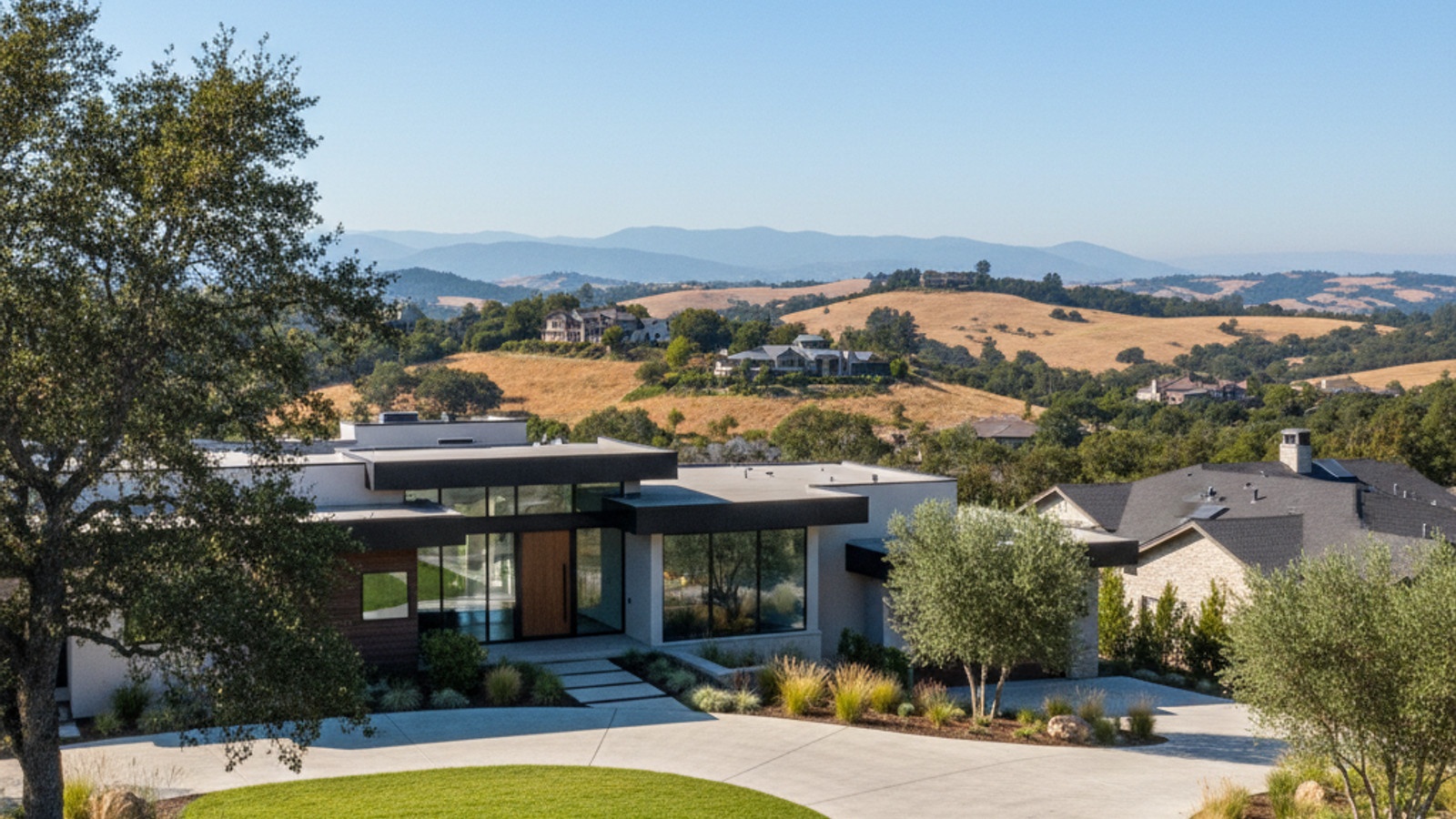
Santa Rosa stands as the economic and cultural hub of Sonoma County, offering a diverse housing landscape for buyers in 2026. The local market provides everything from historic downtown bungalows to modern ridge-line estates. Understanding the layout of the city is crucial for finding a property that aligns with your commute and lifestyle needs.
Choosing the right location involves balancing proximity to major transit corridors like Highway 101 with access to outdoor recreation and daily amenities. As property values continue to reflect the area’s enduring appeal, buyers must evaluate specific zip codes to ensure a strong investment. Navigating these micro-markets requires a clear look at current pricing, zoning boundaries, and infrastructure.
Evaluating the best neighborhoods in Santa Rosa, CA requires a careful look at how each area connects to the broader Sonoma County region. Making an informed decision means looking past the curb appeal and analyzing the structural benefits of the location.
Navigating the Santa Rosa Real Estate Market in 2026
The current housing market in Santa Rosa requires buyers to act with precise localized knowledge. Overall median home prices in the city currently sit between $750,000 and $850,000 as of May 2026. However, those citywide averages obscure massive price variations from one street to the next.
Geographic layout heavily dictates property values and daily convenience. Major transit arteries like Highway 101 and State Route 12 divide the city, while the Sonoma-Marin Area Rail Transit corridor provides a vital north-south connection.
Property types vary heavily by zip code, ranging from historic mid-century builds near the city center to luxury estates in the eastern hills. The most successful buyers focus on commute logistics first, as crossing town during peak hours can add significant time to a daily drive. Prioritizing neighborhood infrastructure over sheer square footage typically yields a better long-term return on investment here.
Inventory levels dictate much of the current negotiating power in the local market.
Homes priced near the $750,000 median tend to move rapidly, requiring buyers to have their financing fully secured before touring. Conversely, the luxury market moves at a more measured pace, allowing for deeper inspections and longer escrow periods.
Fountaingrove: Luxury Estates and Master-Planned Rebuilds
Fountaingrove represents the premium tier of Santa Rosa real estate, defined by higher elevations and expansive views. Current median home prices in this hillside enclave generally range between $1,300,000 and $1,700,000. The area is heavily defined by large, modern builds constructed after the 2017 Tubbs Fire.
Commute logistics are highly efficient for residents needing north-south access. The neighborhood offers a very short drive down the hill to Highway 101 entrances and the Santa Rosa North SMART station.
Local amenities focus on upscale recreation and rapid access to essential services. Residents utilize the Fountaingrove Club, nearby hiking trails, and major healthcare facilities like Kaiser Permanente and Santa Rosa Memorial Hospital. Homes in this master-planned area frequently include HOA management and fall within the Santa Rosa City Schools zoning boundaries.
The architectural landscape here is distinct from older parts of the city. Because much of the area was rebuilt recently, buyers benefit from modern construction standards, updated energy efficiency, and contemporary floor plans. This brand-new infrastructure significantly reduces the immediate maintenance costs typically associated with purchasing a pre-owned home.
Rincon Valley: Proximity to Parks and Eastern Commute Routes
Located in northeast Santa Rosa, Rincon Valley features established residential streets directly adjacent to prominent state and regional parks. Entry-level and mid-tier homes dominate this sector, with the median property price sitting roughly between $700,000 and $850,000. The housing stock offers a mix of ranch-style properties and traditional two-story layouts.
Commuting from this area relies heavily on State Route 12, placing residents further from the Highway 101 corridor. However, this eastern positioning provides much closer access to the renowned vineyards of the Sonoma Valley. Buyers prioritizing immediate highway access might find the drive across town cumbersome, making this area better suited for local commuters.
Outdoor amenities are the primary draw for real estate in this quadrant of the city. Properties sit just minutes from Trione-Annadel State Park, Spring Lake Regional Park, and the Rincon Valley Community Park.
For public education zoning, addresses here primarily fall within the Rincon Valley Union School District boundaries for elementary education.
Retail access in this northeast corridor is highly localized and convenient for daily errands. Several shopping centers dot the intersections along State Route 12, providing grocery stores, pharmacies, and local dining options without requiring a trip downtown. This self-contained infrastructure makes the area highly functional for buyers who prefer to stay close to home.
Montgomery Village: Mid-Century Architecture and Walkable Retail
Montgomery Village blends classic residential architecture with high walkability to premier open-air retail centers. The neighborhood is characterized by mid-century single-family homes, with current median prices hovering around $800,000. Generous lot sizes and mature trees are staple features of these established blocks.
The central location provides straightforward access to both State Route 12 and the Santa Rosa Downtown SMART station. This positioning strikes an excellent balance for buyers who need regional transit but want to remain close to the city core. The walkability factor here significantly boosts property retention values compared to more car-dependent subdivisions.
The Montgomery Village Shopping Center serves as the primary retail hub, offering boutique shopping and local dining within walking distance of many homes. The neighborhood also sits in immediate proximity to Santa Rosa Memorial Hospital, anchoring the local infrastructure.
The layout of the streets encourages non-motorized transit throughout the neighborhood. Wide sidewalks and established bike lanes connect the residential pockets directly to the commercial centers. This pedestrian infrastructure is a major asset for buyers looking to minimize their daily driving. Residential addresses in this district are zoned for Santa Rosa City Schools.
Bennett Valley: Established Streets Near Golf and Trails
Situated in the southeast quadrant, Bennett Valley blends established residential developments with integrated green spaces. Properties here tend to hold higher values than the city average, with the median home price sitting near $1,200,000. The area features a mix of sprawling single-story homes and custom builds on generous parcels.
Commute routes in this neighborhood lean heavily on local thoroughfares that connect directly to Highway 12. Because it sits tucked against the eastern hills, residents enjoy a buffer from the busier central traffic corridors.
Specific nearby amenities include the Bennett Valley Golf Course, the Yulupa retail centers, and direct access to the northern edge of Trione-Annadel State Park. This combination of golf and trail access keeps buyer demand consistently high year-round. Addresses in this neighborhood fall under the Bennett Valley Union School District zoning boundaries.
The topography of the area adds a distinct visual appeal to the real estate. Gentle rolling hills provide many properties with elevated views of the surrounding tree canopy and golf greens. This natural integration makes the neighborhood feel like a secluded retreat despite its proximity to major city services.
Proctor Terrace: Historic Charm and Downtown Access
Proctor Terrace is an established, tree-lined historic district located just minutes from the city center. Real estate values consistently reach $900,000 or higher due to historic architectural designations and the highly central location. Buyers will find beautifully preserved bungalows, Tudor revivals, and custom early-twentieth-century builds.
Commute functionality is excellent, as the neighborhood sits very close to the Santa Rosa Downtown SMART station and multiple Highway 101 entrances. This layout allows residents to navigate both local and regional travel with minimal friction.
Neighborhood amenities emphasize pedestrian access to education, shopping, and recreation. The district offers high walkability to Santa Rosa Junior College, nearby boutique storefronts, and well-maintained local parks. Public school zoning for these historic blocks falls entirely under Santa Rosa City Schools.
The premium paid for these homes is heavily justified by the sheer convenience of the location.
Preservation efforts in this district ensure the streetscapes maintain their original architectural integrity. Strict zoning guidelines protect the historic facades, meaning buyers are investing in an area visually insulated from rapid commercial redevelopment.
Frequently Asked Questions About Santa Rosa Neighborhoods
What are the median home prices in Santa Rosa as of May 2026?
The overall city median sits between $750,000 and $850,000 for standard single-family properties. Luxury segments command much higher premiums, with neighborhoods like Fountaingrove averaging over $1,300,000 for modern ridge-line estates. Buyers should expect exact pricing to fluctuate based on specific zip codes and proximity to transit.
How does the SMART train impact commuting from Santa Rosa?
The SMART train provides a vital north-south rail alternative to driving on Highway 101. The Santa Rosa Downtown and Santa Rosa North stations offer direct connections down to Marin County and the Larkspur ferry terminal. This rail access significantly reduces commute times for residents working in the broader Bay Area.
Which school districts operate within Santa Rosa limits?
The primary public school zoning entities include Santa Rosa City Schools, Rincon Valley Union School District, and Bennett Valley Union School District. Buyers must verify exact boundary maps prior to purchase, as zoning lines often split through individual neighborhoods. Checking the specific address against county records ensures accurate enrollment information.