
Deciding to list your property requires a comprehensive understanding of the current local landscape. Homeowners looking to navigate the 2026 market need accurate data to price their properties correctly and attract serious buyers.
Sonoma County offers a unique real estate environment with specific local regulations and distinct buyer preferences. Whether you want to list on the open market or secure a cash offer, understanding the entire process ensures a smoother transaction.
Many property owners begin the process by searching for the best ways to sell my home in Santa Rosa, CA with maximum return and minimal stress. Achieving that goal requires a clear strategy, proper property preparation, and a solid understanding of your target buyer.
Every neighborhood in the city has its own micro-market dynamics that dictate pricing and marketing strategies. Working with accurate, up-to-date information is the only reliable way to make informed financial decisions about your property.
Preparing a house for the market involves more than simply placing a sign in the front yard. Sellers must evaluate their timeline, their financial goals, and their willingness to manage repairs before choosing a specific selling path.
The local market has evolved significantly, and buyer expectations are higher than ever regarding property condition and legal transparency. Navigating these elements successfully requires partnering with the right professionals or finding legitimate direct buyers.
Santa Rosa Real Estate Market Trends for 2026
The current median sale price for a Santa Rosa home sits between approximately $750,000 and $820,000. Average days on market currently hover between 30 and 46 days, depending on the property condition and exact location.
Inventory levels remain relatively tight across Sonoma County this spring. This limited supply gives sellers a distinct advantage during negotiations, keeping the region firmly entrenched in a seller’s market.
Buyers are acting quickly and decisively when appropriately priced homes hit the market. If you price your property at true market value rather than an inflated aspirational number, you can expect strong initial interest.
Overpricing a home in the current environment often leads to extended days on the market and eventual, frustrating price drops. Buyers have access to extensive market analysis tools and will quickly bypass listings that do not align with recent neighborhood sales.
Proper pricing strategy involves analyzing comparable properties that have successfully closed within the last three months. Real estate professionals use this specific data to establish a competitive baseline that generates immediate buyer traffic.
While sellers currently hold the leverage, buyers remain incredibly discerning about property condition and necessary deferred maintenance. Homes that require significant immediate repairs may sit much longer on the market compared to fully updated, turnkey properties.
Economic factors and mortgage rate stability have kept buyer demand remarkably steady throughout the first half of the year. This consistent demand creates a reliable window of opportunity for homeowners who are fully prepared to list their properties.
Sellers should also consider how seasonal shifts impact local buyer activity and overall property visibility. Listing during the peak spring and early summer months traditionally yields the highest volume of property showings.
Objective Property Features Buyers Want in Sonoma County
Physical property features heavily influence how quickly a home sells in this specific region. Buyers actively seek properties with large lot sizes that offer ample outdoor space for gardening, entertaining, or future additions.
Properties with enough space to accommodate an Accessory Dwelling Unit also see heightened interest from buyers looking to maximize land utility. This extra space provides long-term flexibility that standard, compact suburban lots simply cannot match.
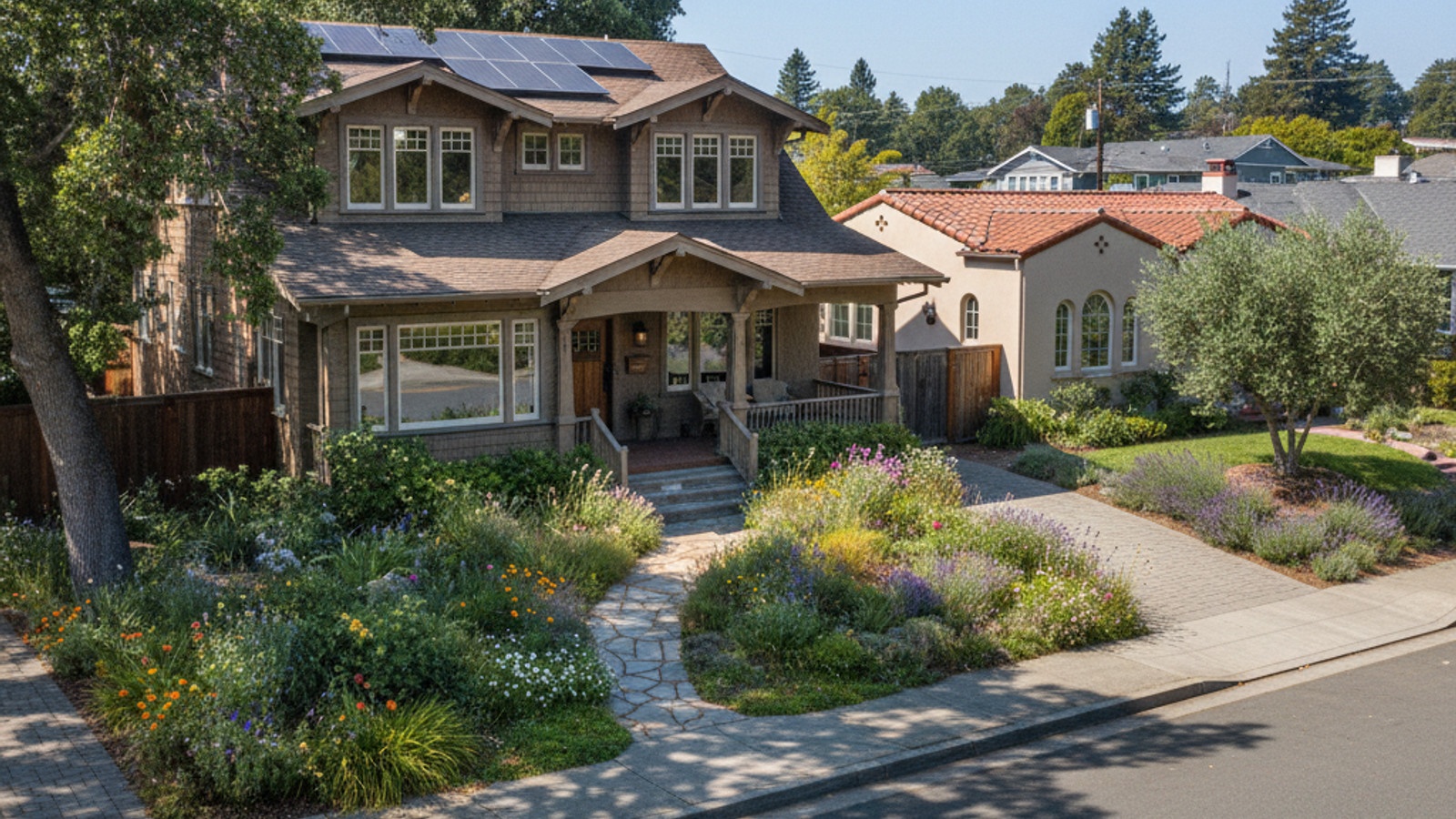
Energy-efficient upgrades command premium attention from local house hunters navigating persistently high utility costs. Solar panels, updated insulation, and modern HVAC systems significantly boost a property’s baseline appeal and overall market value.
Homes equipped with smart thermostats, drought-resistant landscaping, and energy-efficient windows often sell faster than older, unrenovated properties. Buyers calculate long-term utility savings into their purchasing decisions right alongside the monthly mortgage payment.
Location relative to major infrastructure remains a primary driver of property value across the entire county. Proximity to Highway 101 provides essential, efficient access for daily commuting to major regional employment centers.
Properties located within a short distance of SMART train stations also see increased buyer interest due to transit convenience. Access to reliable public transportation offers an excellent alternative to highway commuting that many modern buyers prioritize.
Beyond transit, access to regional amenities like Trione-Annadel State Park adds measurable financial value to a listing. Homes located near extensive trail networks or dedicated recreational facilities consistently attract outdoor enthusiasts and active buyers.
Proximity to downtown Santa Rosa dining establishments, local coffee shops, and retail centers also drastically enhances property desirability. Walkability and short driving distances to local commercial hubs remain top priorities for buyers evaluating different locations.
Navigating California Real Estate Disclosure Requirements
Selling a property in CA requires strict, uncompromising adherence to state and local disclosure laws. Homeowners must complete the Real Estate Transfer Disclosure Statement and the comprehensive Seller Property Questionnaire.
These documents require you to list any known material defects, past major repairs, or ongoing structural property issues. Total transparency upfront prevents legal complications and potential lawsuits long after the home sale officially closes.
Failing to disclose a known plumbing issue, foundation crack, or a previous roof leak can severely jeopardize the entire transaction. Buyers have the legal right to know the exact physical condition of the property before finalizing their purchase agreement.
Sellers must also comply with the 2026 rule requiring the explicit disclosure of any digitally altered listing photos. If virtual staging, color adjustments, or structural edits are applied to marketing images, buyers must be notified in writing.
This recent regulation ensures that buyers are not misled by digitally enhanced or artificially generated property marketing. Accurate representation of the home’s physical state is now a legally mandated component of all real estate advertising.
Local point-of-sale ordinances also apply, specifically AB 38 defensible space requirements for properties located in High Fire Hazard Severity Zones. Sellers in these designated areas must obtain documentation proving their property meets specific, mandated vegetation management standards.
Compliance with AB 38 often involves a physical inspection by local fire authorities prior to the close of escrow. Clearing brush and maintaining a strict defensible perimeter protects the property and fully satisfies state transfer requirements.
Sellers must also provide a Natural Hazard Disclosure report, which outlines whether the property sits in a designated flood zone or earthquake fault zone. This mandatory report is generated by a third-party company and delivered to the buyer during the initial contingency period.
Finally, sellers should carefully budget for standard closing costs when calculating their anticipated net proceeds. These necessary expenses typically include Sonoma County documentary transfer taxes, title insurance, escrow fees, and standard agent commissions.
Choosing Your Selling Path: Realtors vs. Cash Home Buyers
Homeowners generally choose between executing a traditional listing or selling directly to a dedicated cash home buyer. The traditional route involves hiring a real estate agent, staging the property, hosting open houses, and paying a substantial commission fee.
Listing on the open market often yields the highest final sale price, but it requires significant time and upfront financial investment. Sellers must maintain a pristine home environment for daily showings and highly disruptive weekend open house events.
If your property needs major repairs, retail buyers relying on a traditional bank loan may struggle to secure financing. Traditional lenders often refuse to fund loans on properties with compromised roofs, foundational issues, or non-functioning plumbing systems.
Selling to real estate investors offers a highly streamlined alternative that skips the stressful repair process entirely. A cash buyer will purchase the property strictly as-is, meaning you do not have to fix a single thing before moving out.
This direct-to-buyer approach completely eliminates the need for professional staging, costly marketing photography, and traditional agent commissions. Homeowners receive a clear, definitive net offer without the lingering uncertainty of appraisal contingencies or sudden buyer loan denials.
Cash sales can close in as little as 7 to 14 days, which provides massive relief for homeowners on a remarkably tight timeline. This incredible speed is particularly advantageous for those facing foreclosure, managing inherited property, or needing to relocate quickly for work.
When a property is tied up in probate or a complex estate sale, a fast cash transaction simplifies an otherwise burdensome legal situation. Heirs can liquidate the real estate asset efficiently without managing long-distance contractor repairs or extended holding costs.
Holding costs, including property taxes, ongoing utility bills, and mortgage payments, can drain equity during a prolonged traditional sale. A rapid cash transaction halts these recurring expenses immediately, putting money in your pocket much faster.
If you choose this specialized route, always compare multiple cash offers to ensure you receive true fair market value. Evaluating different proposals guarantees that you are getting top cash for your specific property condition and timeline requirements.
Frequently Asked Questions About Selling Your Santa Rosa Home
What is the hardest month to sell a house in Santa Rosa?
December and January are historically the hardest and slowest months to sell a house in the local market. The combination of winter weather patterns and holiday schedules temporarily reduces buyer activity and overall property viewings.
How much tax do you pay when selling a house in California?
Sellers typically owe capital gains tax, though standard federal exclusions protect up to $250,000 of profit for individuals and $500,000 for married couples. You will also pay the Sonoma County documentary transfer tax, which costs approximately $1.10 per $1,000 of the final sale price.
Are Santa Rosa cash home buyer companies legitimate?
Many cash buyers are reputable local investors or established national companies with verified track records of successful real estate purchases. You should always check local reviews, request verifiable proof of funds from their bank, and immediately walk away from buyers who demand upfront fees.