
Sonoma County buyers often narrow their search down to two distinct locations along the US-101 corridor. Santa Rosa stands as the largest city in the county with roughly 174,000 residents, offering extensive commercial districts and public transit hubs. Just a few miles north, the Town of Windsor provides a master-planned community layout for its population of about 26,000.
Choosing between these two municipalities comes down to housing budgets, preferred property ages, and daily commute requirements. Both areas provide access to the Greater Bay Area, but they feature different median home prices and architectural styles. Buyers should review the local property tax rates and transit connections before starting their property search.
The 2026 real estate market in this region presents clear distinctions between urban and suburban living. Comparing Santa Rosa vs Windsor, CA requires looking at the housing stock available in each zip code. Understanding these local nuances helps buyers target the right neighborhoods for their specific needs.
City Size and Downtown Layouts
Santa Rosa operates as the commercial hub of Sonoma County. The city features a traditional downtown station area surrounded by multiple distinct shopping centers and a central transit mall. This wider urban footprint translates to more retail options, entertainment venues, and medical facilities spread across a larger geographic area.
Windsor offers a smaller-town feel built around a centralized master-planned core. The Windsor Town Green serves as the primary gathering space, hosting the Windsor Farmers Market, movie nights, and Summer Nights on the Green. Walkable commercial districts surround this central park, placing local amenities close to residential subdivisions.
The proximity to major infrastructure also differs between the two locations. Santa Rosa provides immediate access to major hospitals and governmental centers. Meanwhile, Windsor sits just minutes from the Sonoma County Airport, offering convenient regional travel options without driving into the city center.
Current Home Prices and Property Taxes
Real estate in Windsor generally carries a higher price tag than properties in Santa Rosa. Demand from move-up buyers and a higher concentration of newer single-family homes push Windsor’s market values slightly above the county average. Buyers should factor these baseline costs into their monthly payment calculations.
Property taxes also vary slightly between the two municipalities due to local bond measures. These effective tax rates directly impact a buyer’s purchasing power and influence real estate appraisal expectations. Over the life of a loan, even a fractional difference in the tax rate alters the total cost of ownership.
- Santa Rosa: The 2026 median home price sits around $750,000, with an effective property tax rate of approximately 1.16%.
- Windsor: The median home price ranges from $800,000 to $850,000, accompanied by an effective property tax rate of about 1.22%.
Neighborhood Styles and Property Ages
Santa Rosa contains a broad mix of architectural styles, including older historic properties near the old downtown area. The city maintains a large supply of townhomes and condominiums integrated into established neighborhoods. This variety makes Santa Rosa a frequent choice for first-time buyers looking to enter the Bay Area market at a lower price point.
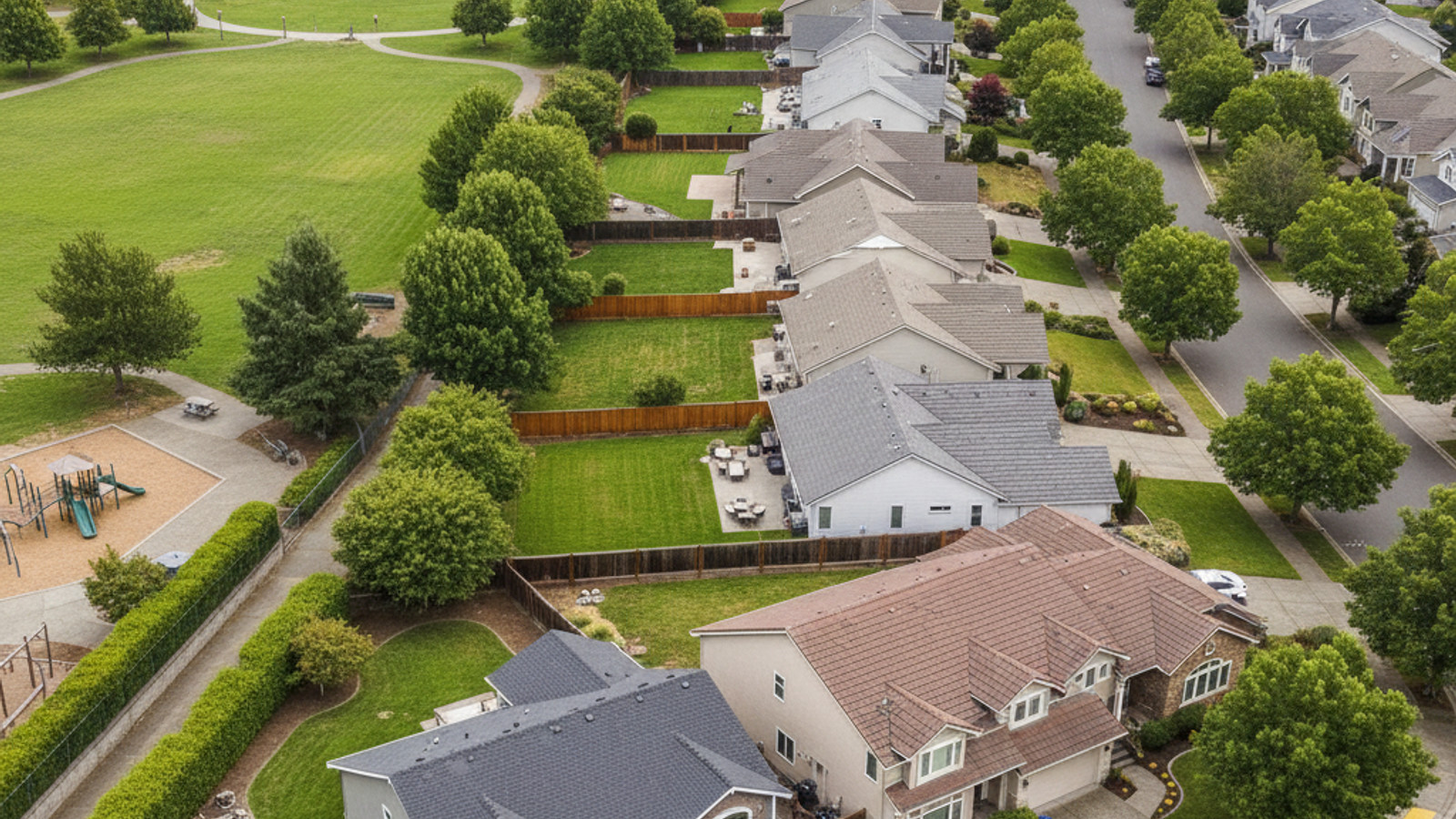
Windsor primarily consists of residential subdivisions built from the 1980s onward. The town offers a high concentration of detached homes, particularly in neighborhoods north of Santa Rosa like Lakewood or near the Windsor Golf Club. Buyers looking for larger lots and newer construction generally focus their search here.
The transition between the two municipalities marks a clear shift in available property types. Moving north from Santa Rosa, the urban multi-family developments gradually give way to larger-lot single-family properties. This difference in housing stock dictates where buyers should concentrate their search based on their square footage requirements.
Highway Commutes and Transit Access
Most residents traveling to San Francisco rely on US-101 for their daily drive. Traffic patterns along this corridor dictate the morning and evening schedules for commuters heading south into Marin or the Greater Bay Area. Driving times fluctuate based on departure hours, seasonal weather conditions, and highway construction.
Public transit offers a reliable alternative to the highway, specifically through the SMART train system. The Windsor SMART station opened in May 2025, allowing residents to board locally instead of driving south to a Santa Rosa stop. Commuters regularly use this rail line to reach the Larkspur Ferry for the final leg into San Francisco.
- Santa Rosa to San Francisco: The 55-mile drive takes about 1 hour and 15 minutes without traffic, but can extend to over two hours during peak commute times.
- Windsor to San Francisco: Covering 65 miles, this route adds 10 to 15 minutes to the baseline Santa Rosa drive time.
Local Parks, Schools, and Recreation
Both municipalities maintain their own educational systems. Students in Santa Rosa attend Santa Rosa City Schools, while students to the north enroll in the Windsor Unified School District, which includes Windsor High School. Buyers should verify specific attendance boundaries before submitting an offer, as some addresses near the city borders can overlap.
Outdoor recreation spaces anchor the residential areas in both locations. Santa Rosa provides access to Trione-Annadel State Park, a massive protected area known for extensive hiking and mountain biking trails. Windsor residents enjoy easy access to Foothill Regional Park, Shiloh Regional Park, and numerous community and neighborhood parks situated near elementary schools.
Location also influences weekend travel to other parts of Sonoma County. Windsor places residents closer to the Russian River and the wineries of Healdsburg. Santa Rosa serves as a central starting point for regional transit lines like CityBus and Golden Gate Transit, making it easier to travel without a personal vehicle.
Frequently Asked Questions
What is the difference in home prices between Santa Rosa and Windsor in 2026?
Windsor properties typically list for $50,000 to $100,000 more than comparable homes in Santa Rosa. The median price in Santa Rosa is roughly $750,000, while Windsor averages between $800,000 and $850,000. This price gap stems largely from Windsor’s newer housing developments and larger lot sizes.
Which city offers a better commute to San Francisco?
Santa Rosa provides a shorter highway drive, saving commuters about 10 to 15 minutes each way compared to Windsor. Both cities now offer direct access to the SMART train for those who prefer rail travel. The addition of the Windsor station in 2025 means residents of both areas can skip US-101 entirely and ride down to the Larkspur Ferry.
Does Windsor have a downtown area like Santa Rosa?
Windsor does not have a traditional urban downtown. The town centers around the Windsor Town Green, a master-planned park surrounded by local shops and restaurants. Santa Rosa features a much larger, older commercial downtown area with multiple transit hubs and high-density retail.