
Sonoma County covers more than a million acres of Northern California. Most residential real estate activity centers along the Highway 101 corridor, where U.S. Route 101 connects local towns to San Francisco. Buyers looking north of the Golden Gate Bridge often compare Santa Rosa vs Petaluma, CA, as they weigh the two largest municipalities in this stretch of the highway.
Santa Rosa serves as the county seat and the region’s largest economic center, offering a mix of urban infrastructure and suburban neighborhoods. Petaluma sits further south, closer to Marin County, and centers around the tidal Petaluma River. Both cities provide access to Wine Country, the Russian River, and the Bodega Bay coastline, but their local housing markets operate differently.
Real Estate Prices and Market Pace
The median home price in Petaluma sits between $880,000 and $900,000 as of early 2026. This higher price point reflects the city’s proximity to Marin County and the shorter drive into San Francisco. Buyers looking in Petaluma often face tighter inventory, especially for single-family homes near the downtown core.
Santa Rosa offers a wider range of price points, with the median home value hovering around $750,000. Because the city covers a much larger geographic footprint, buyers can find entry-level condominiums, mid-range suburban houses, and luxury estates. Homes in Santa Rosa tend to spend a few extra days on the market compared to Petaluma, giving buyers slightly more time to view properties.
Both markets experience seasonal shifts, with listing activity peaking between April and June. Buyers should secure pre-approval before looking at properties, as sellers in both cities expect solid financing terms.
Housing Styles and Neighborhood Layouts
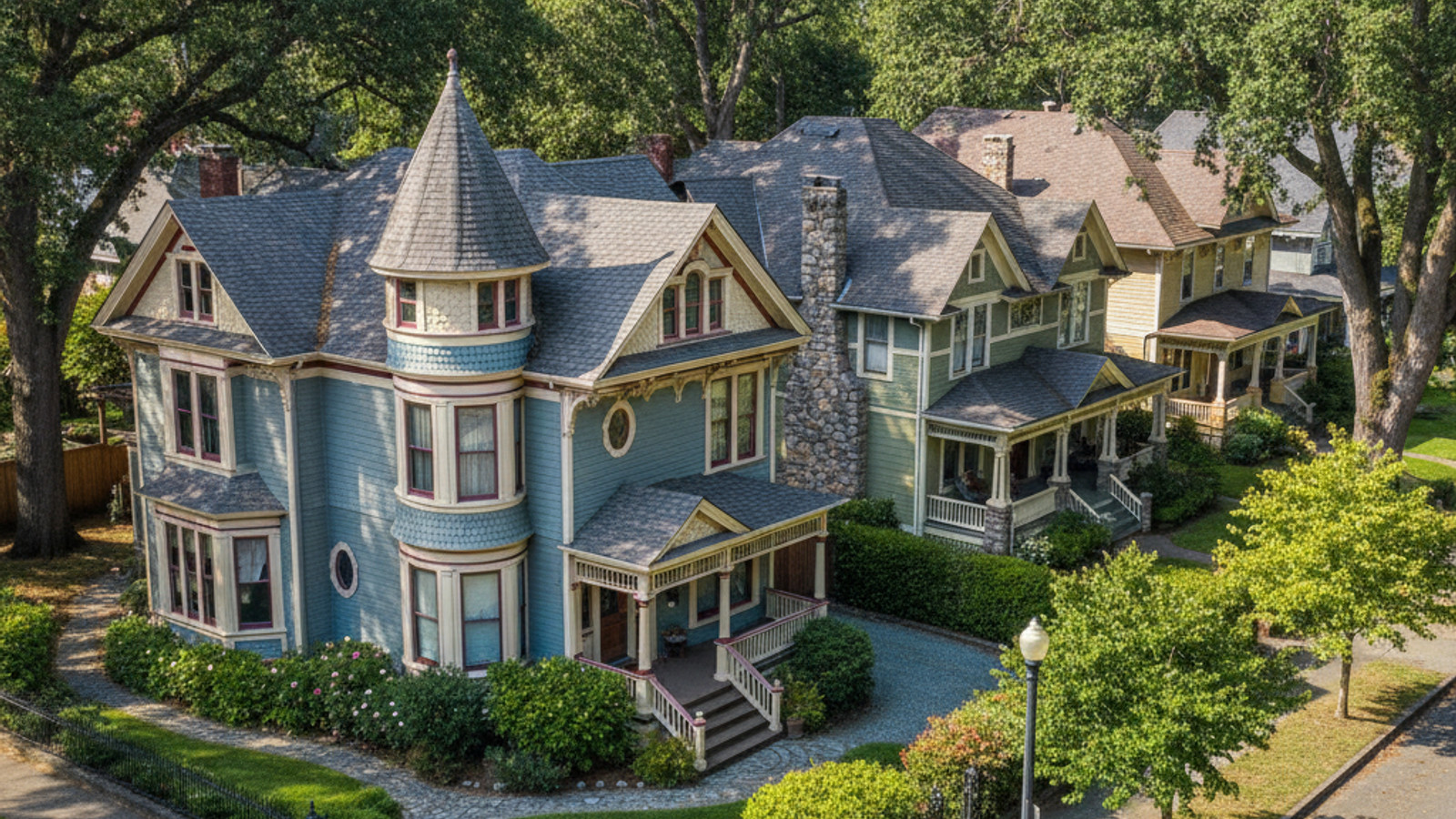
Petaluma features a high concentration of older neighborhoods, particularly around its historic commercial center. The streets near downtown contain blocks of Victorian architecture, craftsman bungalows, and early 20th-century builds. Newer subdivisions do exist on the eastern edge of the city, but the overall housing supply leans older.
Santa Rosa provides a broader architectural mix across its various quadrants. The city contains historic residential areas like the McDonald District, where large heritage homes sit on tree-lined streets. Buyers can also find recent builds and planned communities in areas like Fountaingrove and along the city’s southwestern edge.
Lot sizes also differ between the two locations. Petaluma’s older neighborhoods often feature smaller, traditional city lots, while Santa Rosa’s outer edges offer larger parcels. Buyers seeking extensive square footage or new construction generally find more options in Santa Rosa.
Commuting to San Francisco and the Bay Area
Petaluma sits roughly 40 miles north of the Golden Gate Bridge, making it the first major Sonoma County city commuters hit when driving north on Highway 101. Santa Rosa is located another 16 miles further north up the highway. For professionals working in Marin County or San Francisco, this geography plays a major role in the housing decision.
The distance between the two cities translates to a noticeable difference in daily drive times. Commuters should weigh whether the lower housing costs in Santa Rosa balance out the extra time spent on the road.
Driving Highway 101
A drive from Petaluma to San Francisco takes about 45 to 55 minutes without traffic. During morning and evening rush hours, that time can easily double depending on bridge delays and weather conditions.
Commuting from Santa Rosa adds another 20 to 30 minutes each way, even in clear conditions. Drivers heading south from Santa Rosa must pass through Rohnert Park and Cotati before reaching Petaluma, a stretch that frequently slows down during peak commute hours.
Public Transit and the SMART Train
Both cities connect to the Sonoma-Marin Area Rail Transit (SMART) system. The train runs from a station near the Charles M. Schulz–Sonoma County Airport down through Santa Rosa and Petaluma, eventually terminating at the Larkspur ferry terminal.
Riders can take the SMART train to Larkspur and transfer to a ferry bound for downtown San Francisco. For local bus routes, Golden Gate Transit and Sonoma County Transit provide service throughout the region, offering an alternative to driving.
Parks, Shopping, and Outdoor Recreation
Santa Rosa borders the Mayacamas Mountains to the east and the Laguna de Santa Rosa wetlands to the west. Petaluma centers around the Petaluma River, a tidal slough that connects to San Pablo Bay. Both locations provide immediate access to outdoor spaces, though their natural features differ.
Retail and dining infrastructure varies in scale between the two municipalities. Santa Rosa operates as a regional hub with large shopping centers, while Petaluma focuses more on local boutiques and restaurants integrated into its downtown grid.
Parks and Trails
Buyers evaluating Santa Rosa vs Petaluma, CA, will find distinct recreational amenities in each area. Both cities maintain extensive municipal park systems alongside larger regional open spaces.
Here are some of the primary outdoor spaces available:
- Santa Rosa: Trione-Annadel State Park provides over 5,000 acres of hiking and mountain biking trails, while Spring Lake Regional Park offers boating and a paved path.
- Petaluma: Helen Putnam Regional Park features rolling hills and multi-use trails, and the Petaluma River accommodates kayaking and paddleboarding.
- Regional Access: Both cities are roughly a 45-minute drive from the Sonoma Coast and Bodega Bay.
Retail Centers and Dining
Downtown Petaluma features historic iron-front buildings converted into tasting rooms, restaurants, and shops. The layout encourages walking, and many residents frequent the area for evening dining along the river.
Santa Rosa offers multiple retail districts, including the historic Railroad Square and the modernized Old Courthouse Square downtown. The city also contains larger retail complexes, providing access to major national brands without leaving the county.
Schools, Education, and Healthcare Facilities
Santa Rosa City Schools is the largest district in the county, operating numerous elementary, middle, and high schools. Petaluma City Schools serves the southern portion of the county with its own network of campuses. Both districts offer specialized programs, and buyers should review specific school boundaries when looking at properties.
For higher education, Santa Rosa Junior College maintains its main campus near downtown Santa Rosa, offering certificate programs and transfer degrees. Sonoma State University sits just south of Santa Rosa in Rohnert Park, providing four-year degree programs for residents of both cities.
Healthcare access is a major consideration for many buyers. Santa Rosa functions as the primary medical hub for the region, housing large facilities like Santa Rosa Memorial Hospital. Petaluma residents utilize Petaluma Valley Hospital for standard care, though specialists are often located in Santa Rosa or further south in Marin.
Frequently Asked Questions
Are housing costs cheaper in Santa Rosa or Petaluma?
Santa Rosa generally offers lower property prices than its southern neighbor. In 2026, the median home in Santa Rosa runs about $130,000 less than a comparable property in Petaluma. This price difference allows buyers to stretch their budgets for larger homes or larger lots.
Which city has a shorter average commute, Petaluma or Santa Rosa?
Petaluma provides a shorter drive for those working in San Francisco or Marin County. Commuting from Santa Rosa adds roughly 16 miles to the trip, which translates to an extra 20 to 30 minutes of driving each way.
What kind of housing is more common in Petaluma?
The Petaluma market features a large percentage of historic and mid-century properties. Buyers will find Victorian homes and early 1900s bungalows clustered near the downtown grid. While some new construction exists on the city’s east side, the overall inventory leans toward older architecture.