
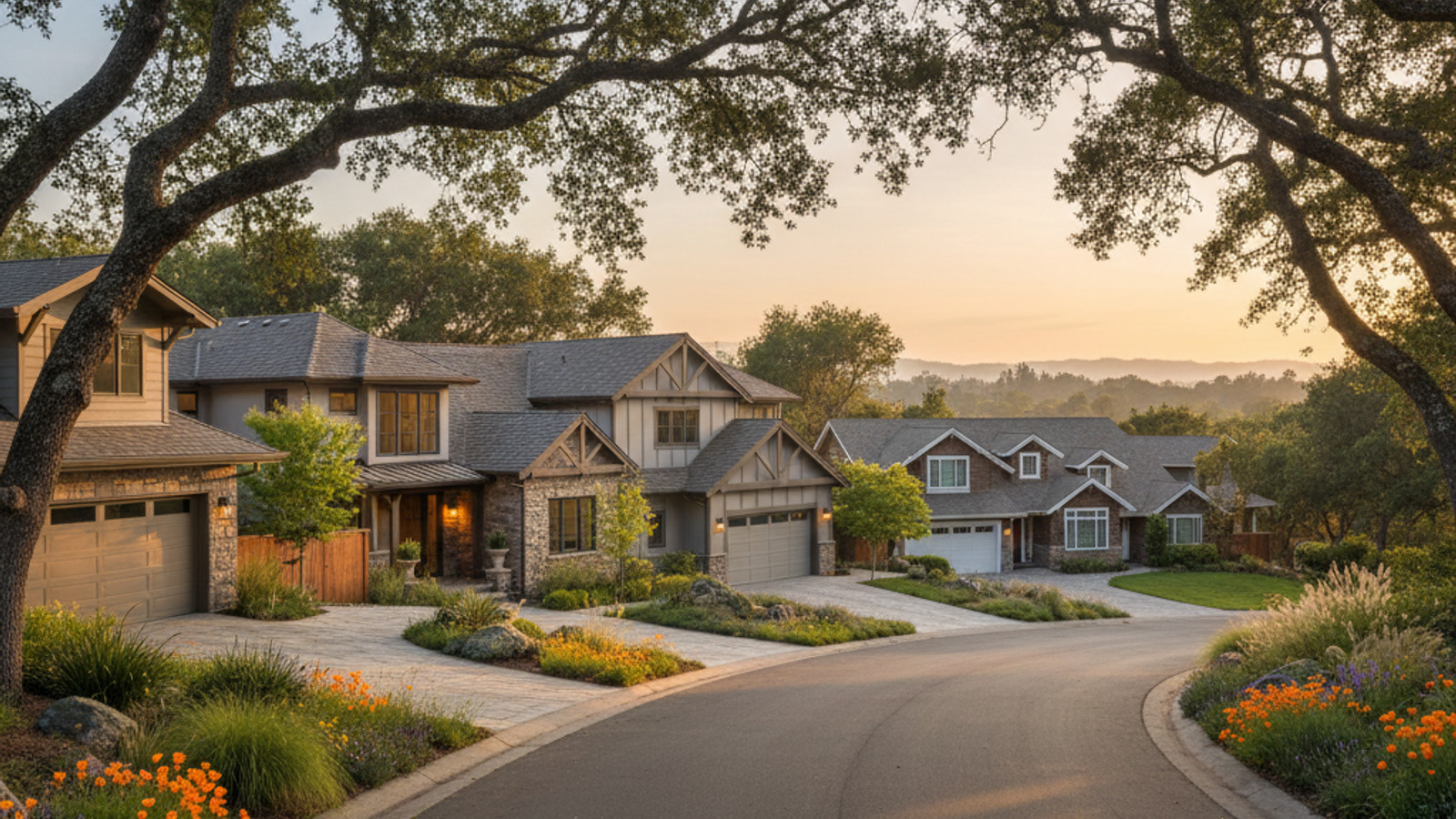
Sonoma County draws new residents with its proximity to the San Francisco Bay Area and extensive local amenities. Before packing up for Wine Country, buyers should understand the specific financial realities of the area.
The cost of living in Santa Rosa, CA requires a higher budget than the national average, driven largely by housing and transportation expenses. A single person spends approximately $3,544 per month on basic expenses, while a family of four needs around $7,804 per month to cover standard living costs.
Understanding these baseline numbers helps professionals negotiate salaries or plan retirement distributions. Whether you plan to rent an apartment downtown or purchase a house in the surrounding hills, budgeting starts with accurate local data.
How Santa Rosa Compares to State and National Averages
A cost of living index measures everyday expenses against a baseline score of 100, which represents the national average. In 2026, Santa Rosa scores about 143, meaning overall expenses run 43% higher than the national baseline.
When compared to the rest of the state, the numbers look much closer to the median. The overall cost of living in Santa Rosa, CA is roughly 3% higher than the California state average. Buyers relocating from the Midwest or South will notice a distinct jump in daily expenses, while those moving from coastal California cities often find the prices familiar.
These index scores directly impact employment negotiations and corporate relocation packages. Professionals moving to the area should request compensation adjustments that account for this 43% premium over national averages.
Real Estate and Monthly Housing Expenses
Housing accounts for the largest portion of the local cost of living index. The median home value for a single-family house in Santa Rosa sits at approximately $822,500. Buyers financing a purchase at this price point should factor current interest rates and local insurance premiums into their monthly mortgage calculations.
Condominiums and townhomes offer an alternative entry point into the local real estate market. These attached properties typically sell for less than detached houses, though buyers must account for monthly homeowners association dues in their debt-to-income ratios.
Renters face similar market pressures across Sonoma County. Average apartment rent ranges from $1,945 for smaller units to $2,375 for multi-bedroom layouts, depending on the neighborhood and included amenities.
Property taxes also shape the long-term cost of homeownership here. Sonoma County applies a median effective property tax rate of roughly 1.17%. Buyers must pay these taxes bi-annually, and the assessed value usually resets to the purchase price upon closing.
Daily Expenses from Groceries to Healthcare
Beyond the mortgage or rent payment, daily household expenses add up quickly in this region. State taxes and regional supply chain factors push the cost of basic goods above the national average.
Residents should budget carefully for their recurring monthly bills. Tracking these categories helps buyers determine their exact salary requirements before relocating.
The main categories driving everyday expenses include:
- Utilities: Monthly bills for electricity, water, and internet service run higher than the national median, largely due to California’s energy rates.
- Groceries: Standard trips to the grocery store reflect regional pricing, with local produce and household staples costing more than they do in inland states.
- Healthcare: Medical expenses and insurance premiums track above average, though residents have access to several major hospital networks within the city limits.
- Childcare: Families with young dependents face substantial monthly costs for daycare and preschool programs, often requiring spots reserved months in advance.
Commuting and Transportation Around Sonoma County
Getting around the city and commuting to work requires factoring in California’s fuel prices and vehicle registration fees. Highway 101 serves as the main travel corridor for drivers heading south toward the San Francisco Bay Area or north through Wine Country.
Routine auto maintenance and insurance add to the ongoing expense of owning a car in the region. Drivers commuting daily on Highway 101 should calculate their expected mileage against current gas prices to build an accurate transportation budget.
The Sonoma-Marin Area Rail Transit (SMART) train provides an alternative to driving. This passenger rail system connects Santa Rosa to destinations as far south as Larkspur, offering a reliable public transportation option for commuters wanting to avoid highway traffic.
For shorter trips, the city maintains a network of bike lanes and multi-use paths. While a car remains necessary for regional travel, residents living near the urban core often use bicycles for local errands.
Parks and Outdoor Recreation
Santa Rosa offers extensive access to outdoor areas, which helps offset the higher living expenses by providing low-cost recreation. Trione-Annadel State Park sits on the eastern edge of the city, offering miles of trails for hiking and mountain biking.
Adjacent to Trione-Annadel, Spring Lake Regional Park features a swimming lagoon, boating access, and camping facilities. Entry to these regional spots typically requires only a standard parking fee or an annual county park pass.
The city’s location also places residents within a short drive of the Pacific coastline and surrounding agricultural regions. Accessing these broader natural amenities requires a vehicle, but the travel time from the city center remains short.
Local vineyards and agricultural centers define the broader landscape of Sonoma County. Residents frequently spend weekends visiting these properties, which serve as both major local employers and primary recreational destinations.
Frequently Asked Questions
Is Santa Rosa, CA more expensive than San Francisco?
Santa Rosa generally costs less than San Francisco, particularly in the housing category. While daily goods and utility rates remain comparable, the median home value in Sonoma County sits several hundred thousand dollars below San Francisco pricing. Renters also see lower monthly lease rates compared to the central Bay Area.
How much income do you need to live comfortably in Santa Rosa, CA?
A single person spending $3,544 a month on basics needs an annual take-home pay of at least $42,500 just to break even. Most financial planners recommend earning double your baseline expenses to allow for savings, debt repayment, and discretionary spending. Families of four require substantially more to cover housing and childcare.
Why are housing costs so high in Santa Rosa, CA?
Land availability and regional building codes limit the rate of new construction in the area. High demand from buyers looking for Wine Country properties near major employment hubs keeps inventory low and prices elevated. Additionally, rebuilding efforts following historical wildfires have continuously strained local labor and material markets.