
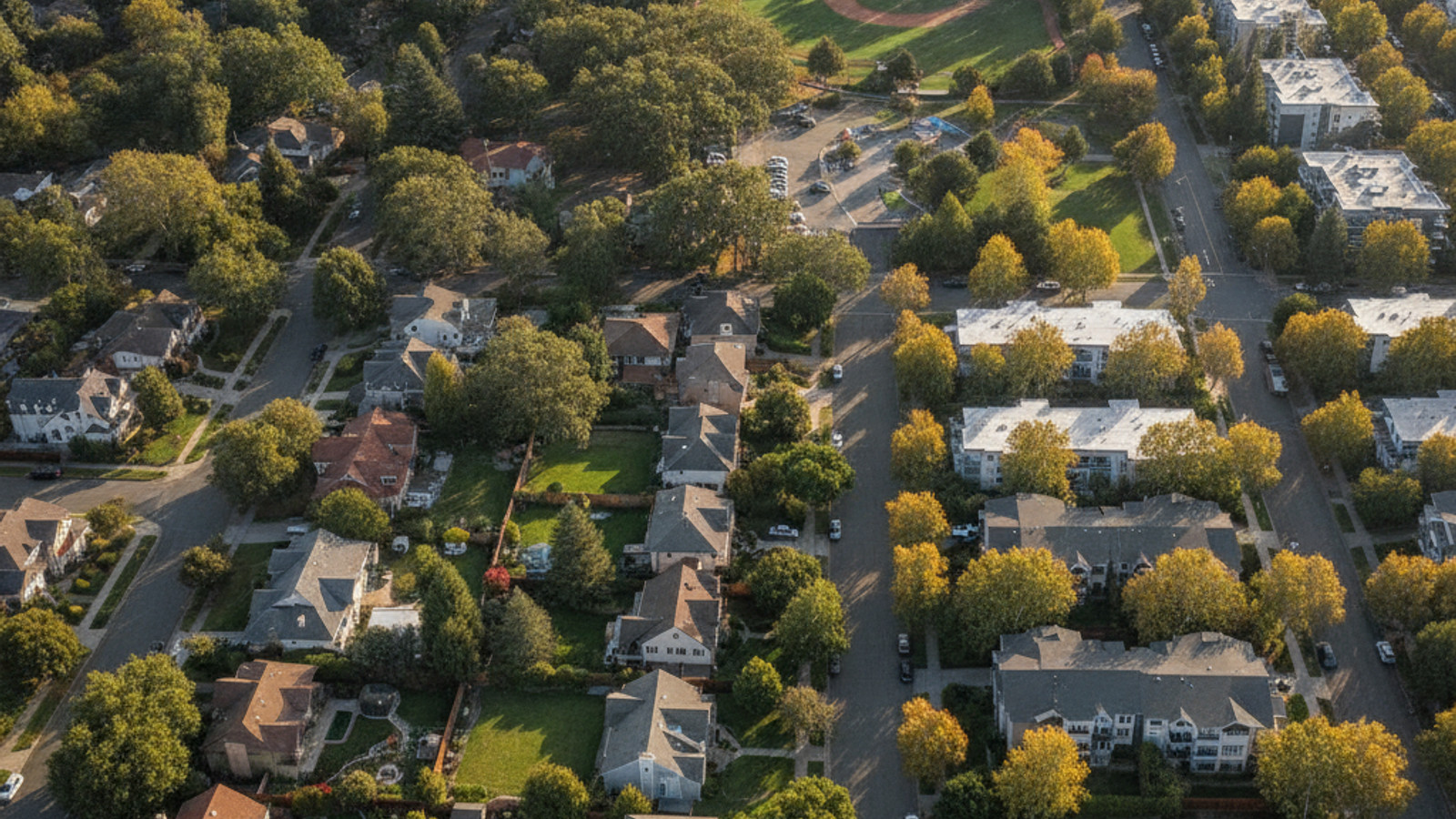
The median sale price within the Santa Rosa, CA housing market sits around $749,500 as of mid-2026. Properties are spending a median of just 40 days on the market, active inventory hovers around 387 homes, and while that gives you some options, you’ll need to move decisively when the right property shows up.
If you’re looking at Sonoma County as an investment market, the numbers tell a specific story – one that rewards patience and preparation over impulse. Understanding which strategy fits your capital and cash-flow goals matters a lot more here than it might in a market where the math works easily.
Is Santa Rosa, CA a Good Place to Buy Investment Property?
At 2.8 months of supply, this leans seller’s market. About 36% of homes sell above asking, and the average sale-to-list ratio sits at 100.2% – which tells you that well-priced homes aren’t sitting around waiting for offers. The market recorded 136 homes sold in a recent monthly snapshot, so transaction volume is steady even if inventory isn’t generous.
Expect to pay close to asking for anything turnkey. That’s just the reality here.
Santa Rosa Market Snapshot: Prices, Appreciation, and Rent
The median sale price of roughly $749,500 reflects a 1.3% year-over-year increase – modest, not alarming. Long-term appreciation has historically hovered near 4.7% annualized over the past decade, and some forecasts project 2% to 4% price growth for 2026. Stable, not explosive.
On the rent side, median estimates run from $1,848 for standard apartments up to around $2,500 for larger units. Renters make up a significant portion of local housing demand, so the tenant pool is real and consistent.
Evaluating the Buyer and Seller Dynamics
That 40-day median time on market means the clock starts ticking the moment something hits the MLS. For standard single-family homes, you should expect competitive bidding.
The luxury tier above $1 million is a different conversation – there’s occasionally more negotiating room there. And any property sitting well past that 40-day median is worth a second look. Sellers who’ve watched their listing age sometimes become willing to consider price cuts or closing cost credits, which is exactly the kind of flexibility that makes the numbers work for an investor.
Core Real Estate Market Data for Investors
Population and demographic stability are what drive long-term rental demand, so those numbers deserve as much attention as price trends. Santa Rosa’s population currently hovers between 176,000 and 179,000 residents in 2026, with some models showing a slight decline of 0.3% annually over recent years. Growth is flat.
That’s not necessarily a problem, but it does change your investment thesis. You’re not betting on a wave of new arrivals to fill your units and push rents upward. You’re betting on a stable, established base of renters who need housing because they live and work here.
Population and Growth Trends
The local economy and proximity to the broader Santa Rosa-Petaluma Metro area sustain ongoing housing needs. People move within the county for jobs, schools, and life changes – that’s consistent demand, even without population growth.
What this means practically: plan for steady, incremental returns rather than massive annual rent increases. Consistent maintenance and fair pricing keep units occupied in this kind of demographic environment. Landlords who chase rent beyond what the market supports learn that lesson the expensive way.
Median Home Prices and Rental Rates
A monthly rent of $2,413 against a standard mortgage on a $749,500 home is a tight rent-to-price ratio. Buyers putting down 20% will likely see slim immediate margins on single-family homes – that’s just the math, and there’s no point pretending otherwise.
The investors who make it work here are typically targeting multi-family units or homes needing cosmetic updates, buying below the median where they can find it. Forced appreciation through renovation is a real lever in this market, not just a talking point.
Popular Strategies for Investing in Santa Rosa Real Estate
Different approaches produce very different results in Sonoma County. Traditional buy-and-hold rentals appeal to investors who want long-term appreciation and steady income without daily operational headaches. Flipping and furnished rentals can generate faster returns but demand more active involvement. Knowing which model fits your situation – and your tolerance for work – is half the battle.
Buy-and-Hold Rentals
The buy-and-hold model is straightforward: find a tenant who covers the mortgage, taxes, and maintenance while the property appreciates over time. Wealth builds through loan paydown and market growth. It’s not glamorous, but it works.
Given Santa Rosa’s entry prices, you’ll need a substantial down payment to get the monthly rent above your carrying costs. Run detailed cash-flow models that include property taxes, insurance, and maintenance reserves before you make an offer – not after.
House Flipping and the 70 Percent Rule
Flippers hunt for distressed properties to renovate and resell. The 70 percent rule is the standard filter: pay no more than 70% of the after-repair value minus renovation costs. That buffer is what keeps unexpected repairs and holding costs from wiping out your margin.
With Santa Rosa homes selling at 100.2% of list price, renovated product does attract strong offers. The hard part is finding the distressed property in the first place. Off-market outreach and wholesaler relationships are the primary tools for sourcing these deals in a low-inventory environment.
Common Real Estate Metrics: The 1 Percent and 3-3-3 Rules
The 1 percent rule – monthly rent should equal 1% of the purchase price – simply doesn’t apply to single-family homes in Santa Rosa. A $749,500 home would need to rent for $7,495 a month under that guideline. The median is around $2,500. Investors here rely on cap rates and cash-on-cash returns instead.
The 3-3-3 rule is more useful as a readiness check: three years of stable income, a 3% down payment minimum, and three months of mortgage payments in reserve. For investment properties, lenders typically require 15% to 20% down, but the reserve principle holds regardless. The 7% rule – the idea that real estate historically returns about 7% annually by blending cash flow and appreciation – is also worth keeping in mind as a long-term benchmark.
Short-Term and Month-to-Month Rentals in Santa Rosa, CA
The local tourism industry and traveling professional workforce create real demand for non-traditional leases. Furnished rentals targeting people who need housing for a few weeks to several months often command higher monthly rates than unfurnished annual rentals – and that premium can meaningfully change the cash-flow picture.
The tradeoff is operational. Higher turnover, furnishing costs, utility bills, and active marketing are all part of running this kind of property. It’s a business, not a passive investment.
Furnished and Month-to-Month Opportunities
Travel nurses, corporate relocations, and seasonal visitors are the core tenant types seeking furnished month-to-month rentals in Santa Rosa. They typically pay above standard annual lease rates, which helps offset the higher purchase prices in the area.
This strategy sits between long-term rentals and nightly vacation stays – fewer daily operational demands than a high-volume weekend rental, better gross revenue than a standard annual lease. Property owners handle fewer turnovers and deal with less wear and tear than a short-stay vacation rental generates.
Profitability Guidelines for Short-Term Leases
The 75/55 rule is the standard framework here: assume 75% occupancy and that operating expenses will consume 55% of gross income. Running those numbers against your projected rent tells you pretty quickly whether a specific property pencils out.
Before any of that matters, though, you need to verify local zoning. Municipal regulations on minimum stay lengths and permit requirements determine whether a property can legally operate as a vacation rental at all. Check the code for the specific address – not just the general area.
Where to Buy and How to Get Started
With roughly 387 homes on the market, you don’t have the luxury of casual browsing. When something fits your criteria, you need to be ready to act. That means financing sorted out before you start touring properties, not after you find something you like.
Sellers in a multiple-offer situation heavily favor buyers with pre-approval letters or proof of funds. Knowing your exact purchasing power also keeps you from wasting time on properties that were never actually within reach.
Finding Investment Properties and Commercial Real Estate
The local inventory includes single-family homes, duplexes, and larger commercial real estate spaces. Commercial properties involve different loan products, larger down payments, and longer lease terms – the income stability can be appealing, but the entry requirements are different.
On the residential side, days on market is one of the most useful numbers you can track. A home sitting well past the 40-day median is a signal worth investigating. Those listings sometimes offer the best opportunities for value-add investors who can see past cosmetic neglect.
Financing and Protecting Property Value
Deferred maintenance is what devalues a house the most in this market. Foundation problems, aging roofs, outdated electrical – these issues don’t just reduce what buyers will pay, they reduce what tenants will pay and how long they’ll stay. Addressing core systems first is how you protect the baseline value of the asset.
Budget for capital expenditures at the time of purchase, not as a surprise six months in. Kitchens, bathrooms, and flooring provide the most reliable return on renovation dollars. And working with a local real estate professional who knows the difference between a cosmetic fixer and a structural problem will save you from the deals that look good on paper until they don’t.
Frequently Asked Questions
Which neighborhoods in Santa Rosa offer the best ROI for rental property investors?
It depends on the specific property and what you pay for it. With a median home price of $749,500, properties acquired below that median tend to yield better cash flow regardless of the specific neighborhood.
What is the minimum down payment required to buy an investment property in Santa Rosa?
Most conventional lenders require at least 15% to 20% down for a non-owner-occupied investment property. Owner-occupied multi-family purchases sometimes qualify for lower down payments through specific loan programs.
How strict are the short-term rental and Airbnb regulations in Santa Rosa right now?
The city enforces specific zoning rules and permitting requirements for short-term rentals. Check the local municipal code for the exact address you’re considering before purchasing a property intended for nightly leasing – the answer can vary by location.
How do local wildfire zones impact property insurance rates for Santa Rosa investors?
Properties in designated fire hazard zones carry higher insurance premiums. Get insurance quotes during the due diligence period – those costs come directly out of your monthly cash flow and need to be in your numbers from the start.
Is it more profitable to invest in single-family homes or multi-family units in the current Santa Rosa market?
Multi-family units generally offer better cash flow and economies of scale. Single-family homes in Santa Rosa often experience stronger long-term appreciation and tend to attract tenants who stay for multiple years. Neither is automatically the right answer – it depends on what you’re optimizing for.
How long does it typically take to place a qualified tenant in a Santa Rosa rental property?
Well-priced and updated units tend to rent quickly given steady local demand. Pricing near the $2,413 citywide average helps minimize vacancy and brings in qualified applicants.