
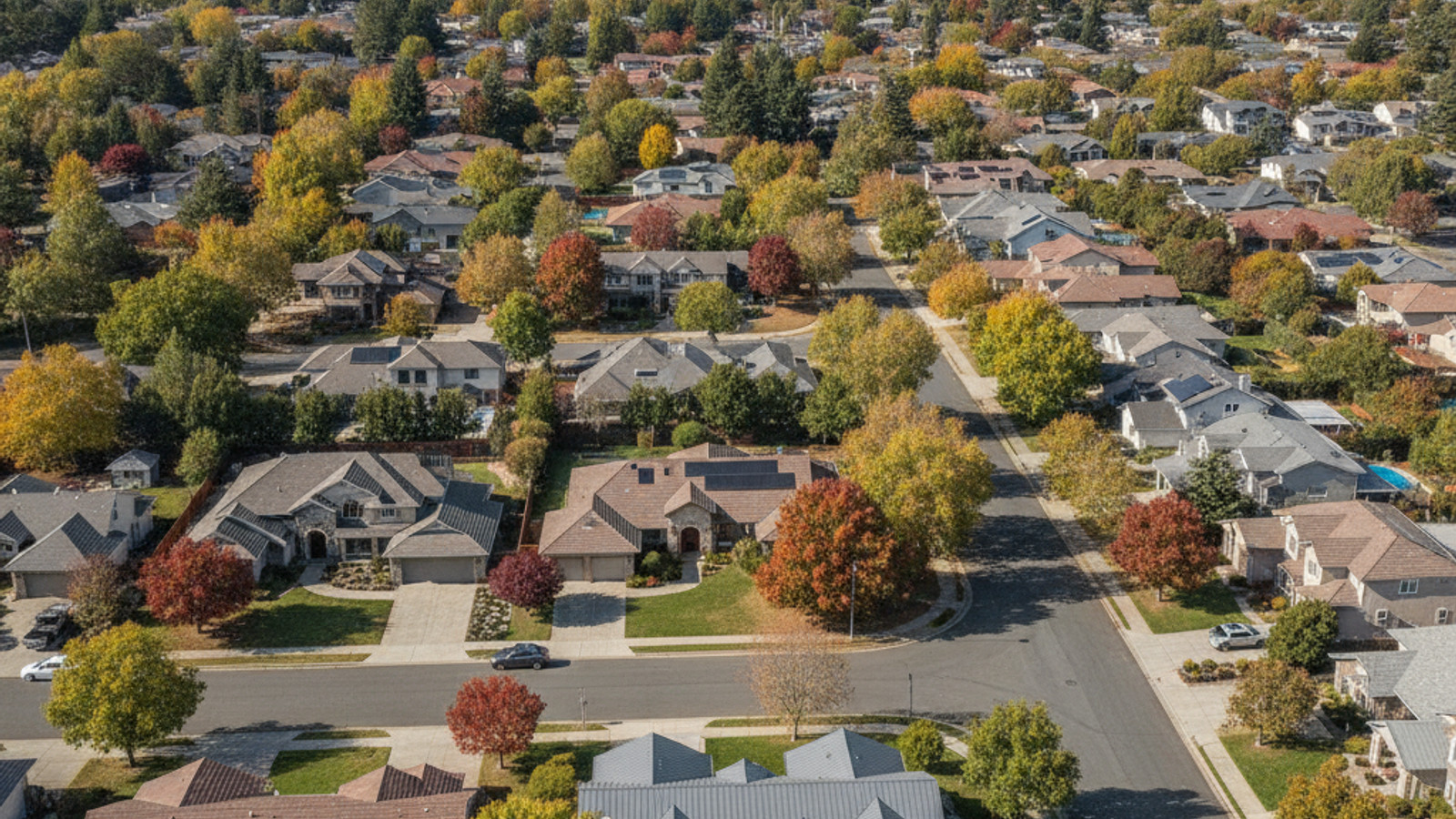
The median sale price for a home in Santa Rosa, CA is roughly $750,000, and listings are currently spending about 40 days on the market. Buyers paying that amount expect to know exactly what they are getting. California state law requires sellers to fill out detailed forms outlining the condition of the property before the sale closes. Many homeowners hire the best real estate agent in Santa Rosa to manage this paperwork.
Sellers must complete a Transfer Disclosure Statement (TDS) and a Seller Property Questionnaire (SPQ). These documents cover everything from the age of the roof to neighborhood noise. Filling them out accurately protects both parties during the transaction.
State Disclosure Laws for Home Sellers
California Civil Code Section 1102 mandates that sellers reveal known material facts that affect the value or desirability of a home. You are legally required to report what you know about the property.
The Transfer Disclosure Statement (TDS) and Seller Property Questionnaire (SPQ) are the primary forms used in these real estate transactions. You must list known issues like plumbing leaks, unpermitted additions, or foundation cracks. You only report what you know; the law does not expect you to guess about hidden defects behind drywall.
As of January 1, 2026, the state introduced new requirements for these forms. Sellers must now disclose any known tobacco or vaping residue inside the home. You must also declare if any listing photos were altered using artificial intelligence to change the property’s appearance.
Buyers use this information to decide if they want to move forward with the purchase or ask for repairs. Providing complete answers helps prevent delays during the escrow period.
Local Environmental and Fire Safety Rules
Santa Rosa sits in a region prone to wildfires, and local ordinances dictate specific property maintenance standards. Sellers must provide an AB 38 Hazard Disclosure if their home is located in a mapped High or Very High Fire Hazard Severity Zone.
The Santa Rosa Vegetation Management Ordinance requires property owners in the Wildland Urban Interface (WUI) to maintain defensible space. You must show that you have cleared brush and maintained safe distances between vegetation and structures.
During the declared fire season, which started on June 1, 2026, local rules mandate keeping dry grass cut below four inches. Buyers will look for documentation proving the property meets these local fire safety standards before closing.
You must also provide a Natural Hazard Disclosure (NHD) report. This third-party document tells the buyer if the home sits in an earthquake fault zone, a flood hazard area, or a designated fire zone.
Paperwork for Rural and Agricultural Properties
Homes outside the Santa Rosa city limits or near agricultural zones require additional documentation. Buyers moving to rural Sonoma County need to understand the realities of country living.
If your property is close to an agricultural zone, you must disclose potential nuisances like tractor noise, dust, and odors from livestock or fertilizer. Buyers have a right to know if seasonal harvesting will affect their daily routine.
Rural estates often rely on private infrastructure rather than city services. The California Association of REALTORS updated its forms in June 2026 to require more detail regarding septic systems, private wells, and underground propane tanks. You should gather any recent maintenance records or inspection reports for these systems.
Shared driveways and property lines also require clear documentation. You must disclose any shared easements or boundary disputes with neighbors. For older farmhouses or rural structures built before 1978, federal law mandates a lead-based paint disclosure.
When to Hand Documents to the Buyer
California law expects sellers to deliver completed disclosure forms to the buyer as soon as practicable. Most local agents aim to provide these documents before the buyer signs the purchase contract.
Having your paperwork ready upfront allows buyers to make an informed offer. If a buyer receives the documents after signing the contract, state law gives them a window to cancel the transaction. They have three days to rescind their offer if the forms are delivered in person, or five days if sent by mail or email.
Your obligation to report issues does not end once the forms are signed. If the water heater breaks or a roof leak develops while the house is in escrow, you must update your paperwork.
Providing the information early keeps the transaction moving smoothly. Buyers are less likely to back out when they know the property’s condition from the start.
What Happens If You Hide Known Defects
Selling a home “as-is” means you will not pay for repairs, but it does not erase your legal duty to disclose known problems. Omitting information can lead to severe financial penalties.
If a buyer discovers hidden water damage or an undisclosed unpermitted remodel after moving in, they can file a lawsuit for fraud or misrepresentation. The statute of limitations typically gives buyers up to three years to file a claim based on fraud.
Courts can hold sellers liable for the cost of repairs, property damages, and the buyer’s legal fees. The financial fallout from a lawsuit often exceeds whatever money was saved by hiding the defect during the sale.
You should work with a real estate broker or lawyer to review your disclosure packet before listing the home. A professional review ensures you meet all state and local requirements.
Frequently Asked Questions
Does a Santa Rosa seller need wildfire or defensible-space documentation?
Yes, homes in the Wildland Urban Interface must prove compliance with local vegetation rules. Sellers provide an AB 38 form and proof that dry grass is kept under four inches during the summer fire season.
What specific disclosures are needed when selling rural or agricultural property in Sonoma County?
You must disclose proximity to farming zones, which might bring seasonal noise or dust. You also need to provide records for private infrastructure like septic tanks and wells using the updated 2026 state forms.
What is the timeline for giving disclosure documents to a buyer in Santa Rosa?
You must provide the forms as soon as practicable, ideally before the buyer submits an offer. If delivered late, the buyer has a legal right to cancel the contract within three to five days.
How much does a Natural Hazard Disclosure (NHD) report cost in Santa Rosa?
A standard NHD report typically costs between $90 and $150. A third-party company generates this document to outline earthquake, flood, and fire zone risks for the specific parcel.
Can a buyer waive their right to receive disclosures?
No, California state law prohibits buyers from waiving their right to receive the Transfer Disclosure Statement. Even in an all-cash sale, the seller must provide the mandatory paperwork.
Does selling a home ‘as-is’ protect me from lawsuits?
Selling as-is only means you refuse to make repairs prior to closing. You are still legally required to list all known defects, and failing to do so leaves you open to fraud claims for up to three years.
What happens if a seller does not provide the required Mello-Roos disclosure?
If the property is subject to Mello-Roos special taxes and the seller fails to disclose it, the buyer can cancel the purchase agreement. These taxes fund local infrastructure, and buyers must be informed of the ongoing financial obligation before closing.